/logo.png)



- By Admin
- 25 July, 2025
- 5 min read
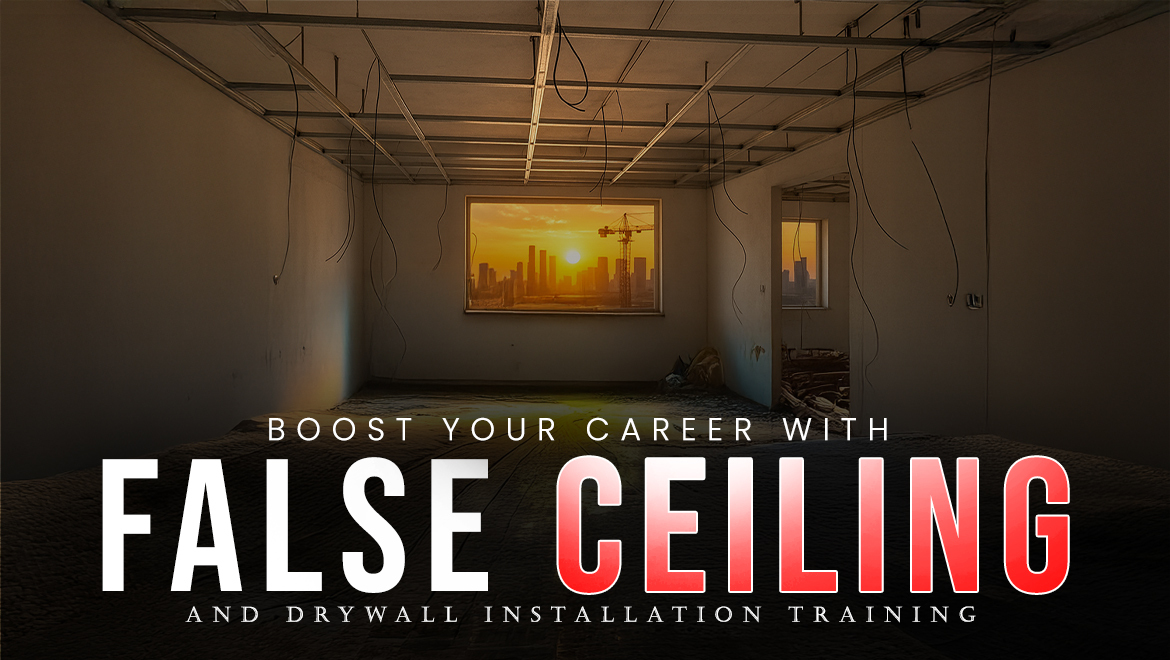
Boost Your Career with False Ceiling and Drywall Installation Training
In the world of modern construction and interior design, false ceilings and drywall installations have become essential elements—not just for aesthetics but also for insulation, lighting, and acoustic enhancement. If you're someone aiming to enter a skill-rich trade that’s constantly in demand, ceiling installation courses can be your gateway to a rewarding career.
At Quivan, we offer industry-aligned false ceiling courses, including suspended and drywall ceiling training, designed to build the skills needed for jobs in commercial and residential construction sectors across India and abroad.
In this blog, we’ll guide you through the types of ceiling installation courses, essential skills taught, materials used, installation processes, and how Quivan can help you turn this trade into a profession.
Types of Ceiling Installation Courses
Whether you are a beginner or a working professional looking to upgrade your skills, there are several specialized ceiling installation training programs to choose from. Some of the key types include:
1. False Ceiling Installation Courses
Focuses on the design, layout, and installation of false ceilings—also known as drop ceilings or suspended ceilings—commonly used in offices, hospitals, and modern homes.
2. Dry Ceiling & Drywall Courses
Dry ceilings are part of dry construction techniques using gypsum boards or panels. These courses teach you how to build partition walls and false ceilings using minimal wet materials.
3. Suspended Ceiling Training Courses
Specialized training focused on installing suspended grid systems, including T-bars, acoustic tiles, and lighting integration.
4. Advanced Commercial Ceiling Systems
Teaches how to handle large-scale ceiling systems used in malls, airports, auditoriums, and industrial units.
Each course caters to different application areas and learning levels—from basic measurements to advanced CAD layout interpretation and ceiling material handling.
Key Skills Covered in Ceiling Installation Courses
A well-rounded false ceiling course will cover not only technical training but also practical industry-readiness. Key competencies you’ll develop include:
- Reading blueprints and ceiling layouts
- Measuring and cutting materials precisely
- Understanding different ceiling types: gypsum, metal, PVC, POP
- Using hand tools and power tools safely
- Installing framing systems and ceiling panels
- Electrical conduit management for integrated lighting
- Finishing techniques including jointing and sanding
- Understanding the difference: false ceiling vs down ceiling
- Problem-solving on site-specific challenges
Most importantly, you’ll be trained on occupational safety and standards, which are essential for working in real job-site environments.
Benefits of False Ceiling Installation
The popularity of false ceilings is no accident. Both commercial and residential projects prefer these for their numerous functional and aesthetic benefits:
- Concealed Wiring & Plumbing: Hides unsightly installations.
- Improved Acoustics: Reduces noise in large or multi-use rooms.
- Thermal Insulation: Keeps interiors cooler and energy-efficient.
- Enhanced Lighting Options: Supports LED, indirect, and ambient lighting designs.
- Elegant Finishes: Adds a modern, stylish touch to interiors.
- Fire Resistance: Some materials used can be fire-retardant.
- Flexibility: Easy to maintain and repair.
Professionals trained in ceiling installations are thus always in demand in real estate, construction, and interior fit-out industries.
Types of Ceilings and Materials
A critical component of your learning is understanding the varieties of ceilings and the materials used. Here’s a quick breakdown:
1. Gypsum Board Ceilings
Lightweight, easy to install and repair. Common in residential and office interiors.
2. POP (Plaster of Paris) Ceilings
Great for custom designs but require skill in molding and finishing.
3. Metal Ceilings
Durable and ideal for industrial applications. Requires knowledge of cutting and rust-proofing.
4. PVC Ceilings
Moisture-resistant and budget-friendly. Common in bathrooms, kitchens, and low-cost housing.
5. Wooden Ceilings
Premium design but requires handling wood paneling and polishing.
6. Fabric or Stretch Ceilings
Less common but aesthetically striking. Requires expertise in installation tension and framework.
Each material has its unique installation method, maintenance requirements, and application areas—which are all thoroughly covered in Quivan’s ceiling training modules.
General Installation Process (False Ceilings)
While each ceiling type may differ in detail, most false ceiling installations follow a standard process:
- 1. Measurement & Planning: Analyze room dimensions and client requirements.
- 2. Frame Installation: Fix a metal or wooden framework to the original ceiling.
- 3. Panel Cutting & Placement: Cut panels (gypsum, POP, etc.) and fix them to the frame.
- 4. Jointing & Finishing: Seal gaps and joints using compounds and tape.
- 5. Paint or Polish: Final cosmetic touches depending on material type.
- 6. Fixture Fitting: Install lighting, fans, or HVAC vents if required.
Mastering this process ensures quality output, safety compliance, and customer satisfaction.
Key Considerations When Choosing a Ceiling Course
Before you enroll in any ceiling installation course, keep these essential points in mind:
- Accreditation: Is the institute recognized by NSDC or other authorities?
- Industry Tools Exposure: Will you work with real tools and materials?
- Placement Support: Are there tie-ups with contractors or job opportunities after training?
- Hands-on Training: Is there more practical exposure than theory?
- Infrastructure: Does the training center simulate real job-site conditions?
Why Quivan is Your Ideal Training Partner
At Quivan, we go beyond textbooks. Our false ceiling and dry wall installer training programs are designed with real-world application in mind. Here's why thousands choose Quivan for skill training:
- Government-aligned Programs: NSDC and sector-skill council-approved courses
- Modern Infrastructure: State-of-the-art workshops with real material handling
- Expert Instructors: Industry veterans who bring field experience to the classroom
- Placement Assistance: Tie-ups with construction companies and contractors
- Affordable Fees: Competitive pricing with scholarships for deserving students
- Certifications: Nationally and internationally valid certification
Whether you're a school dropout, an ITI graduate, or simply someone seeking a skilled trade, Quivan offers the right foundation to start a meaningful career in ceiling and drywall installation.
Enroll Today and Transform Your Future
The demand for skilled ceiling and drywall installers is rising across India and abroad. With green buildings, modern interiors, and smart homes becoming the norm, the scope is only expanding. Don’t miss your chance to become a certified specialist in this high-demand field.
Start your journey with Quivan today!
Visit quivan.co.in or call us to know more about course durations, schedules, and placement assistance.